


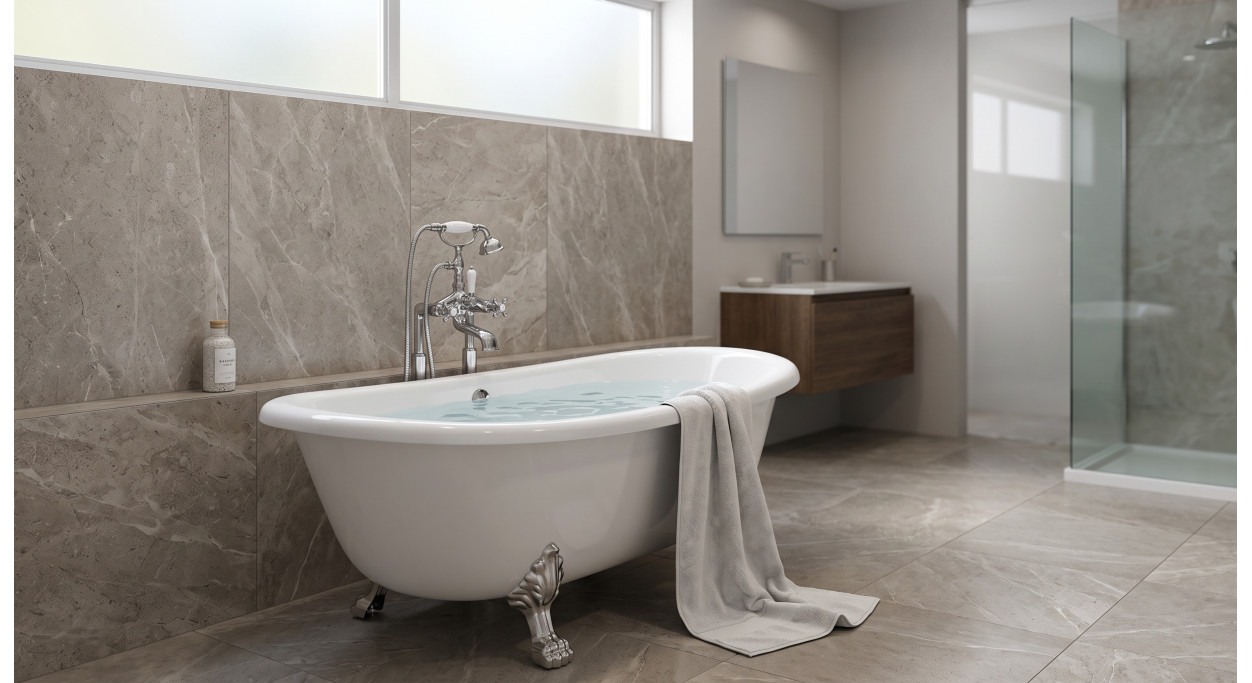
The most popular bathtubs available today are freestanding models, which dominate modern architectural design due to their sculptural profile and versatile placement options. Homeowners remodel their primary baths with an eye toward both aesthetics and hydrotherapy. Choosing the right fixture requires looking past basic utility. You need a design that anchors the room while matching your daily routine.
Bathroom trends shift quickly. Yet certain shapes, materials, and configurations hold their ground year after year. Understanding these preferences helps narrow down the overwhelming number of choices on the market.
The Rise of Freestanding Tubs
Freestanding bathtubs sit away from the walls entirely, creating a spacious and open feel in the bathroom. They no longer require a bulky tiled deck or a cramped corner enclosure. Manufacturers craft these models in oval, rectangular, and asymmetrical shapes that act as the room's main focal point.
The primary appeal lies in installation flexibility. You can place a freestanding unit near a large picture window or position it dead center under a statement chandelier. Acrylic remains the top material choice because it retains heat effectively while keeping the overall weight manageable for standard residential floor joists.
Traditional Clawfoot and Drop-In Designs
While ultra-modern designs get plenty of attention, classic silhouettes maintain a steady following. A traditional clawfoot bathtub brings historic character into Victorian, craftsman, or transitional spaces. The raised feet elevate the basin, making the floor underneath visible and keeping the room feeling airy.
Drop-in tubs represent another enduring category. These units slide down into a custom-built frame or deck, which gives you a built-in ledge for resting soaps, candles, or glasses of water. They work exceptionally well in shared family bathrooms where extra surface area near the water is a practical necessity.
Therapeutic Whirlpool and Air Tubs
Homeowners increasingly treat their bathrooms as private wellness retreats. This shift explains the massive demand for hydrotherapy fixtures. A combination air and whirlpool bathtub uses strategically placed jets to deliver targeted muscle relief through water and air streams.
- Whirlpool Jets: Push high-pressure water streams to massage sore back and leg muscles.
- Air Bubbles: Release thousands of warm bubbles from the floor of the tub for a gentle, full-body effervescent massage.
- Combination Systems: Deliver the best of both worlds with independent controls for water pressure and air intensity.
For those who want a blend of classic aesthetics and modern hydrotherapy, choosing a whirlpool bathtub with classic clawfoot styling offers the ultimate compromise between old-school charm and deep-tissue relaxation.
Alternatives
When a traditional soaking tub or a complex jetted system does not fit your spatial or budgetary needs, alternative bathing solutions step in. Walk-in bathtubs provide low-threshold entry for accessibility without sacrificing seating comfort. Japanese soaking tubs, known as ofuro, offer a much deeper water level within a compact footprint, allowing you to soak in an upright seated position. For tight spaces where bathing is a secondary priority, a sleek European wet room configuration removes the tub enclosure entirely and integrates the shower and open floor space into one continuous waterproof zone.
Comparison of Popular Tub Styles
| Style | Best For | Main Advantage | Space Requirement |
|---|---|---|---|
| Freestanding | Modern aesthetics & open layouts | Dramatic focal point & flexible placement | High (needs clearance on all sides) |
| Clawfoot | Vintage & transitional decor | Classic elevated profile & easy floor cleaning | Medium-High |
| Whirlpool/Air | Hydrotherapy & muscle recovery | Therapeutic massage jets & deep relaxation | Medium-High (requires electrical access) |
| Alcove | Compact spaces & shared bathrooms | Space-efficient three-wall enclosure | Low (fits standard wall niches) |
Frequently Asked Questions
What are the most popular bathtubs for modern bathrooms?
Freestanding bathtubs are the most popular choice for modern bathroom layouts because they serve as a striking sculptural centerpiece. Their ability to float away from walls creates an immediate sense of luxury and space in contemporary homes.
Are whirlpool bathtubs still in style?
Whirlpool bathtubs remain highly sought after by homeowners prioritizing therapeutic hydrotherapy and deep relaxation features. Modern units feature quieter pumps and sleek, low-profile jets that blend seamlessly into the tub wall.
What is the easiest bathtub to clean and maintain?
Alcove tubs are generally the easiest to maintain because their walls enclose them on three sides, which limits exterior dust accumulation and splash zones. Freestanding tubs require manual cleaning around the exterior perimeter and underneath the basin.
How much space do I need for a freestanding bathtub?
You generally need at least four to six inches of clearance around a freestanding tub on all sides to ensure proper cleaning access and visual balance. Cramping a tub directly against adjacent walls ruins the intended aesthetic and complicates plumbing runs.
Selecting Your Next Fixture
Upgrading your bathroom starts with picking a silhouette that complements your square footage and matches your relaxation habits. Whether you prefer a sleek modern basin or a therapeutic hydrotherapy setup, matching the hardware and plumbing rough-ins early prevents costly installation headaches down the line. To explore specific models, dimensions, and finishes designed to transform your bathroom, browse our full bathtubs catalog at Steam Shower 4 LESS and find the ideal centerpiece for your home.